1st AC Prep
.jpeg)
This is the prep work that I have done in preperation for shooting the 1st Arden collaboration production:
Dynamic Productivity Suite
My 1st AC
Responsibilities


3
Familerising
I also booked out the PIX E5 O/B Monitor Recorder before the shoot so I could familiarise myself with it. I practised setting it up, connecting it to the camera and using its monitoring and recording features. This gave me more confidence using the equipment and helped me understand how it would be used during the shoot.
2
Familerising
I booked out the Atomos Sumo 19” Director’s Monitor Recorder before the shoot so I could familiarise myself with the equipment. I spent some time learning how to set it up, connect it to the camera and use the different monitoring and recording functions. This helped me become more confident with the equipment before using it on set and meant I was more prepared when it came to the shoot.
1
Equipment List
I created an equipment list to keep track of the kit being used and to check for any damage before and after the shoot. This helped keep the equipment organised and made it easier to identify any missing, damaged or faulty items.

.jpeg)
.jpeg)
6
Check Lenses
I also prepared the lenses before the shoot by checking that they were clean and free from any marks or dust. I made sure they were working correctly and had the correct mounts so they could be safely attached to the ARRI ALEXA SXT. This helped make sure the lenses were ready to use when filming started.
5
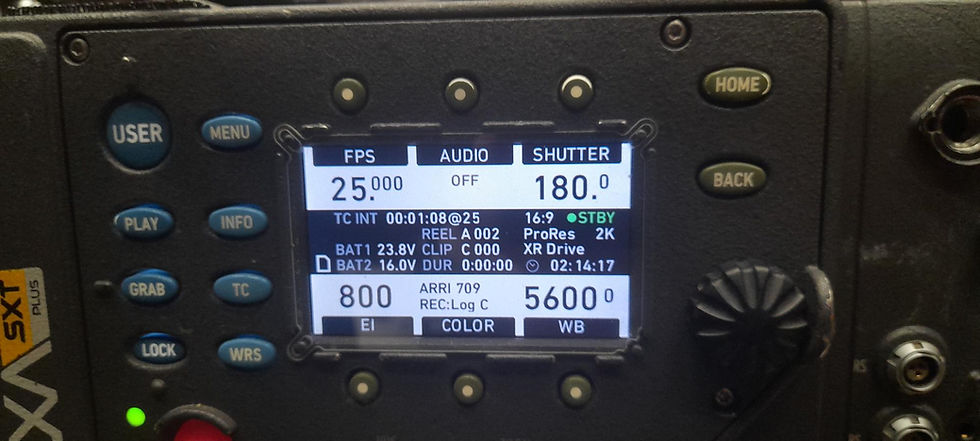
Camera Settings
I also checked the camera settings before the shoot to make sure everything was set correctly. This included checking the frame rate, resolution, shutter speed and recording format. Doing this beforehand helped make sure the camera was ready to record and that the settings matched what we needed for the shoot.
4
Camera rigged
I also rigged the ARRI ALEXA SXT as part of the camera preparation. I helped build the camera by attaching the necessary accessories and making sure everything was securely fitted and ready for the shoot. This gave me more experience with the camera build process and helped me understand how the different pieces of equipment work together.

.jpeg)

9
Final Checks
I also checked the cables before the shoot, including the SDI and power cables, to make sure they were not damaged and were connected correctly. As part of my final checks, I went over the camera setup and connections to make sure everything was secure and working properly. This helped make sure the equipment was ready to use and reduced the chance of problems during filming.
8
Format Cards
I also checked the camera media before the shoot by formatting the cards and making sure there was enough storage space for filming. I made sure the cards were ready to use and working correctly so we could start recording without any issues or delays.
7
Check Batteries
I also checked the camera batteries before the shoot to make sure they were fully charged and ready to use. I used green tape to indicate the charged batteries and red tape to indicate batteries that needed charging. I also made sure we had spare batteries available, so we could quickly swap them out if one ran out during filming. This helped keep the equipment organised and prevent unnecessary delays during the shoot.


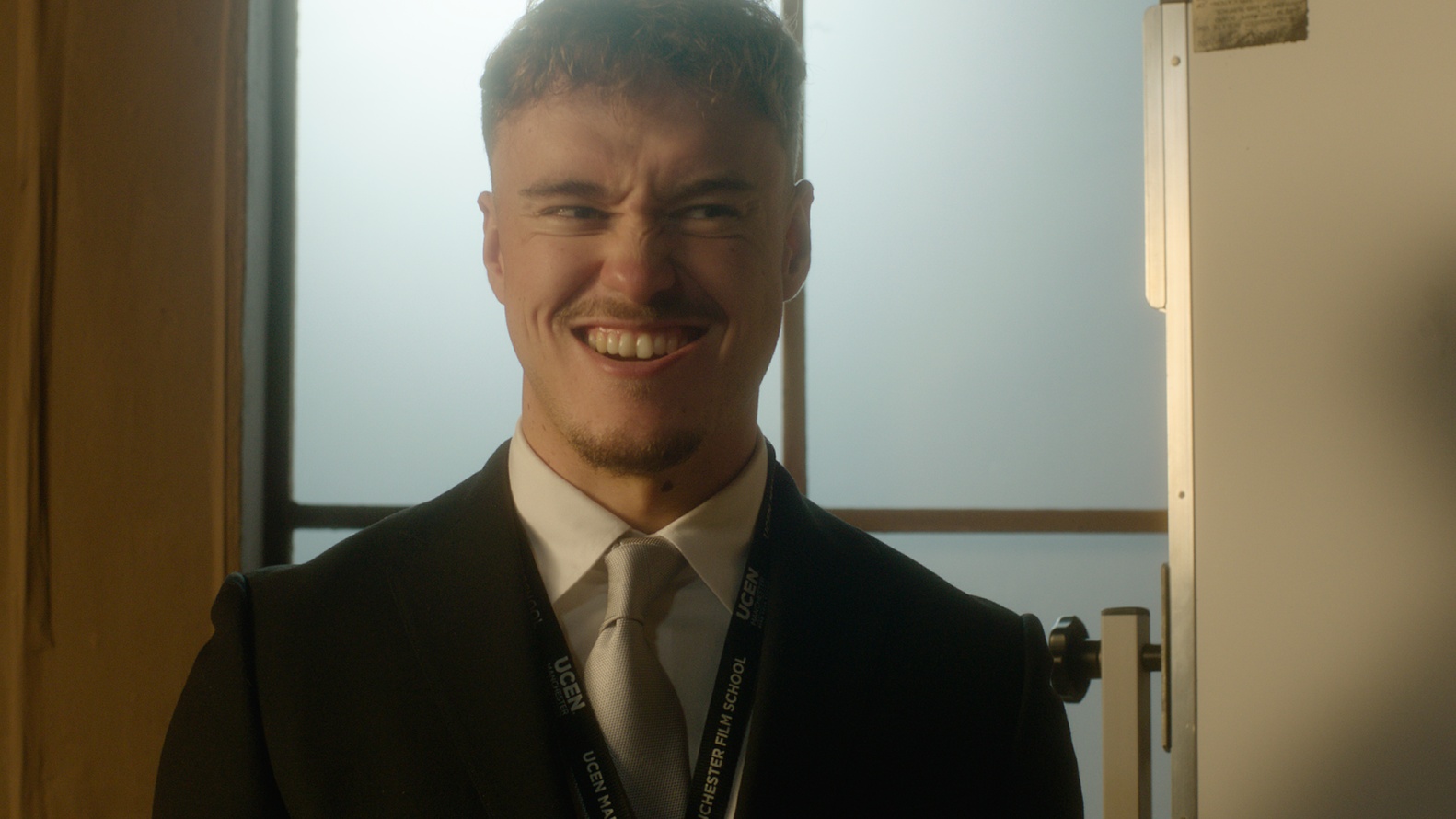
10
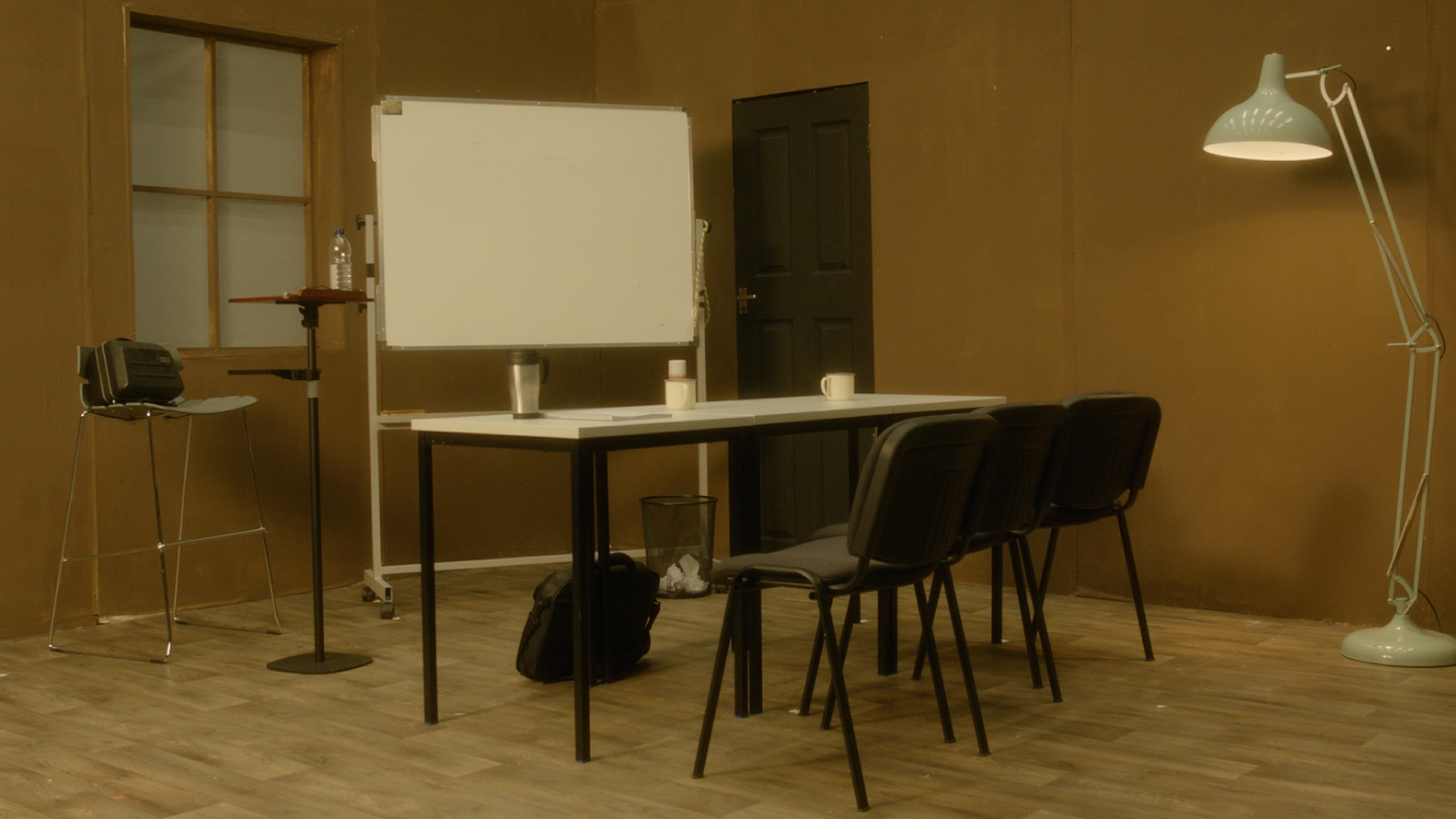
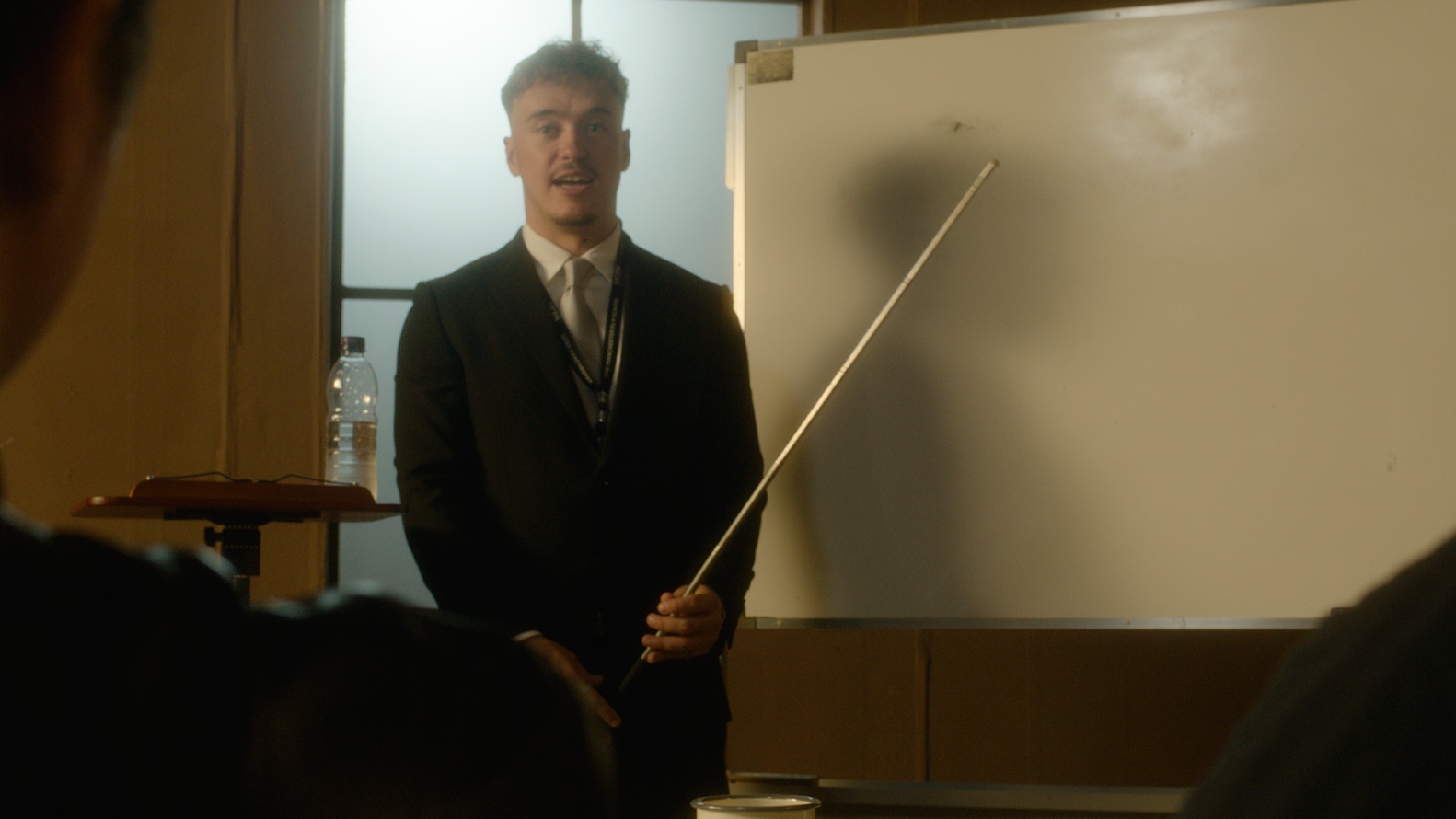
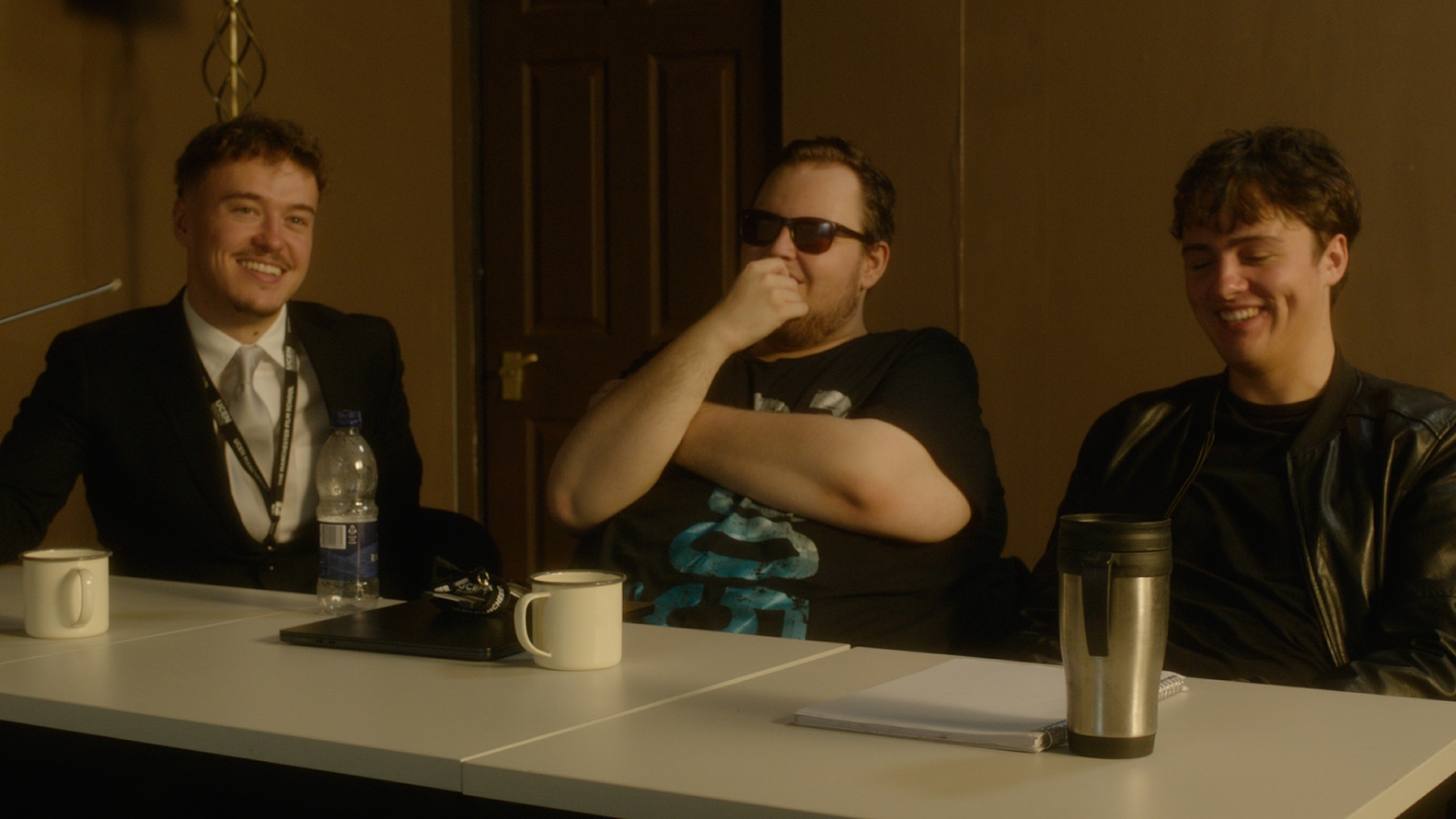
Frame Reference
Before filming, I took reference photographs of the five planned shots to help visualise and prepare for each setup. These images allowed me to clearly identify the framing, composition, camera position and subject placement before shooting. Having these references also helped me quickly locate and recreate each planned shot on set, keeping the filming process organised and efficient.